Toro Labs is a collection of engineering notes, experiments, and projects focused on identity systems, platform engineering, automation, and AI.
This site serves as a personal lab for exploring real-world system design, integrations, and emerging technologies.
-
In practice, most system failures are not caused by a single application going down. They happen in the seams between systems. A directory service is available, but delayed. An API responds, but with incomplete data. A downstream platform accepts a request, but processes it differently than expected. A queue retries an operation that was never…
-

There’s a lot of excitement around AI in enterprise environments right now. Most of it focuses on what AI can do. Much less attention is given to what actually works in practice. Over the past year, I’ve been involved in building internal AI systems, including a chat framework integrating OpenAI and Gemini APIs, as well…
-

Identity and Access Management is often treated as a supporting function—something that sits behind the scenes and “just works.” In reality, IAM is one of the most critical pieces of infrastructure in any organization. When identity systems are well-designed, everything else operates smoothly. When they are not, the result is constant friction, inconsistent access, and…
-
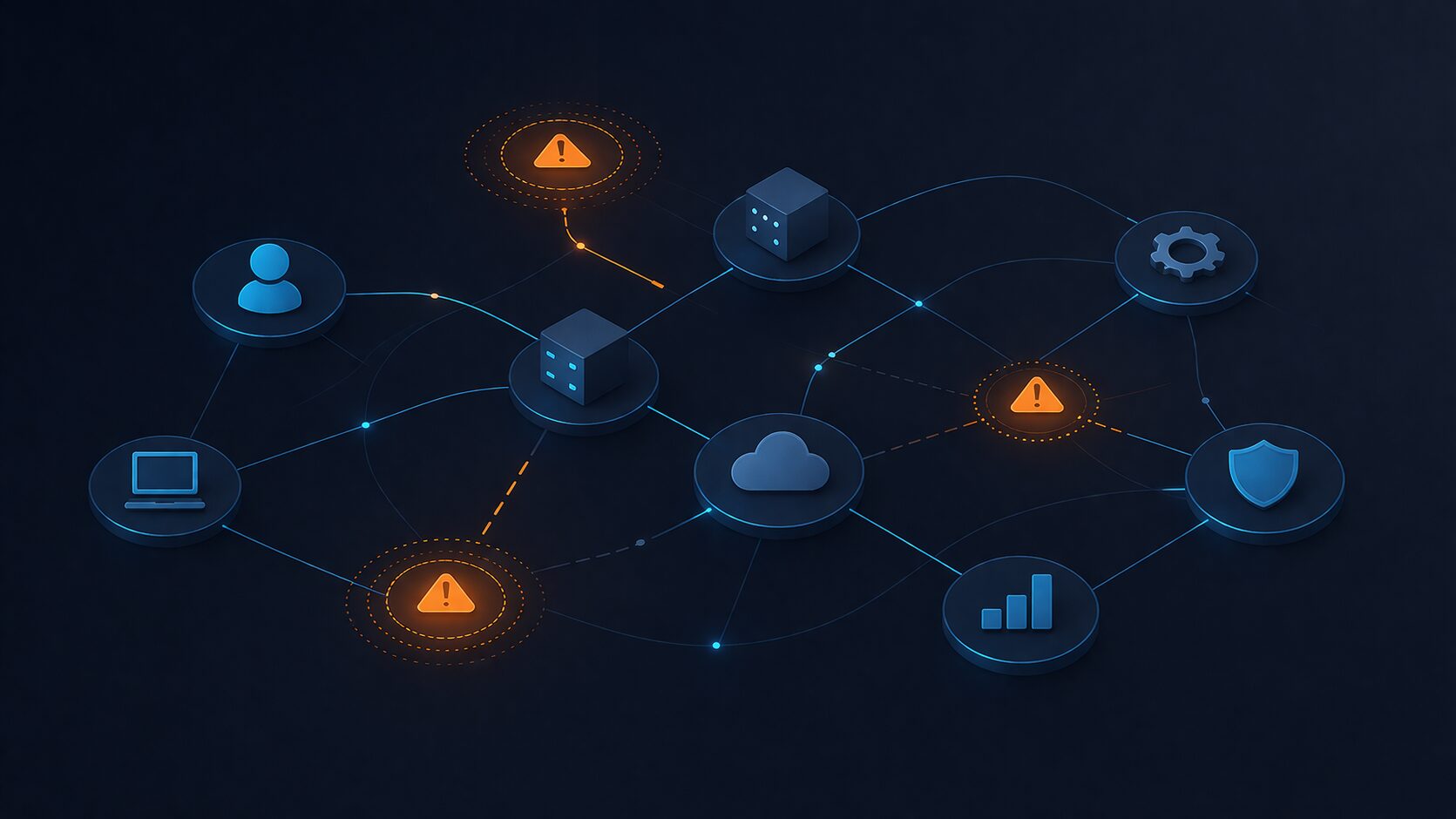
When systems fail, it’s rarely because a single component stopped working. It’s usually because the connections between systems weren’t designed to handle real-world conditions. Most of my work involves building and maintaining integrations across identity systems, directories, authentication platforms, and internal applications. Over time, a pattern becomes clear: It’s not the systems that break first…
-

The technology landscape evolves at lightning speed. New programming languages, frameworks, tools, and trends emerge every year, making it challenging for tech professionals to stay updated. Whether you’re a seasoned developer, an aspiring data scientist, or someone curious about tech, continuous learning is your most valuable asset. In this blog post, we’ll explore strategies to…
-
In the world of software development, version control is not just a tool; it’s a lifeline. Whether you’re working solo on a passion project or collaborating with a team on a complex application, mastering Git and GitHub can transform the way you manage and share code. This hands-on guide will help you understand the fundamentals…
-

Setting up Ollama using Open Web UI on a Mac involves installing the necessary tools, configuring your environment, and downloading large language models (LLMs). In this guide, we’ll walk you through the entire process, including setting up Miniconda, installing Ollama, creating a Conda environment, and configuring Open Web UI to start using your LLMs. Step…
-

The way we develop and deploy applications is evolving, and edge computing is at the forefront of this transformation. By bringing computing closer to the data source or user, edge computing reduces latency, improves performance, and enables new possibilities for application development. But as with any paradigm shift, it comes with its own set of…
-

Quantum computing is no longer a futuristic concept confined to research labs—it’s becoming a reality with implications for industries ranging from cryptography to optimization and beyond. As a developer, you might wonder if you need to care about quantum computing now. The answer is: yes, if not immediately for your work, then certainly for your…
-

Apple Silicon Macs, powered by M1, M2, and subsequent chips, offer incredible performance, especially for compute-heavy tasks like image generation. Fooocus, a popular tool for creative endeavors such as stable diffusion-based workflows, can be installed and run efficiently on these machines. This guide will walk you through the steps to install Fooocus, including setting up…